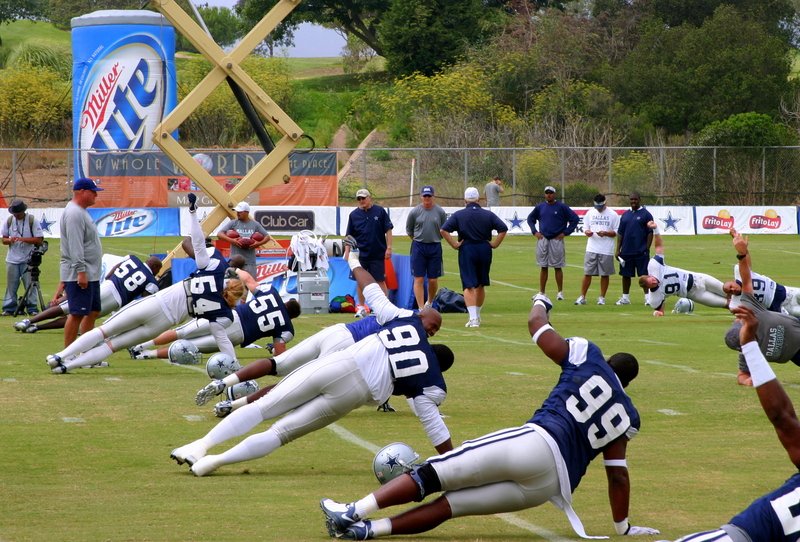
With every change in sporting season, I am struck by the level of effort professional sports teams dedicate to winning. And as I obsess about my favorite team (full disclosure, I am a long-suffering Dallas Cowboys fan), I wonder if this is the year that they will finally put strategy, talent, and execution together to deliver a championship.
But as I consider the effort these teams expend, I also wonder when selling will fully embrace the approach to managing development and performance that professional sports teams all seem to employ. Selling is unique among business occupations in that it is simultaneously a production and performance job. Nearly every sales performance review will cover past performance versus plan, current pipeline metrics, and forecast future results.
However, if you ever attend team meetings for sports franchises, especially planning meetings among the coaching staff, you will hear another conversation that is practically non-existent in sales reviews – talent assessments and development plans.
For example, let’s suppose the offensive coaching staff for your favorite NFL team is having their Tuesday morning meeting. This meeting will include a review of player performance – in fact, each player will likely be graded not just on the basis of WHAT they did (their metrics), but also based on HOW they performed (their skill and behavior). These conversations will likely include an evaluation of the overall development of each player, including next steps to continue their progression toward their optimum performance.
While player development is an integral part of performance management in sports, it is horribly lacking in business … even in the corporate job most analogous to being a professional athlete – the sales position. Unless and until player development becomes an essential part of sales performance conversations, our teams will underperform against their true potential.
So, what would a sales performance review look like with player development integrated into the conversation? We would add the topic of player development to ensure managers are dedicating attention to improving the skill of their players. This would include:
- The manager’s assessment of the current proficiency of each person on the team, including top opportunities to improve and development progress
- Review of coaching metrics such as the number of coaching sessions conducted by managers
- Developmental assignments given and completed by the team
Like any performance profession, all else being equal, results will improve when players get better. Adding player development to your sales performance conversations can help you gain a sustainable competitive advantage that improves sales, margins, customer satisfaction, team attrition, and forecast accuracy.
